Risk assessment under ASchG § 4 – identifying and assessing hazards
The workplace risk assessment serves to identify and minimise all possible sources of danger in the business before accidents or damage to health occur. It is the basis for a safe, legally compliant and efficient working environment.
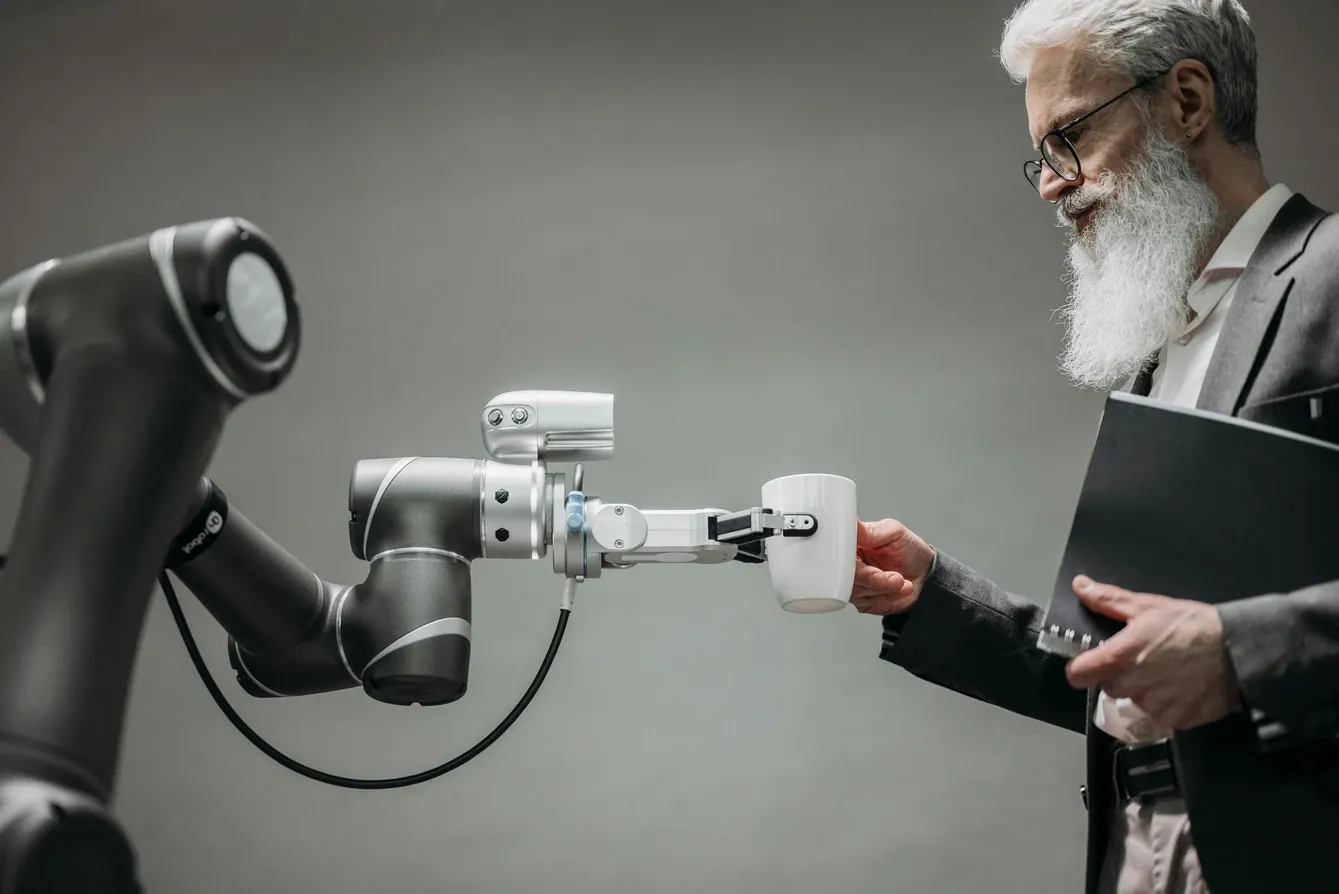
Aim of the risk assessment
- Identify and assess all hazards that may affect employees
- Define suitable protective measures
- Review and adapt the measures regularly whenever the business changes (e.g. new machines, work processes, substances, alterations)
Typical types of hazard
- Mechanical hazards – crushing, cutting, impact, e.g. at machines or conveyor belts
- Electrical hazards – electric shock, short circuits, defective equipment
- Ergonomic hazards – poor posture, monotonous work, overexertion
- Chemical hazards – vapours, cleaning agents, hazardous substances
- Biological hazards – bacteria, mould, contamination (especially in food production)
- Psychological stress – time pressure, shift work, conflicts, monotony
How a risk assessment works
- Preparation & walk-through – analysis of the workplaces, talks with employees
- Hazard identification – establishing which risks exist
- Assessment – estimating the likelihood and severity of possible consequences
- Defining measures – specific protective measures with responsible persons and deadlines
- Documentation – evidence in the risk assessment documentation (DOK-VO compliant)
- Review – regular updates whenever working conditions change
Result
- Action plan with priorities and responsibilities
- Legally sound documentation for the Labour Inspectorate or AUVA
- Practical implementation directly in your business (e.g. with QR codes on machines)
Which solution suits your business?
Free and without obligation: together we clarify which requirements apply to your business and the fastest way to a complete risk assessment.